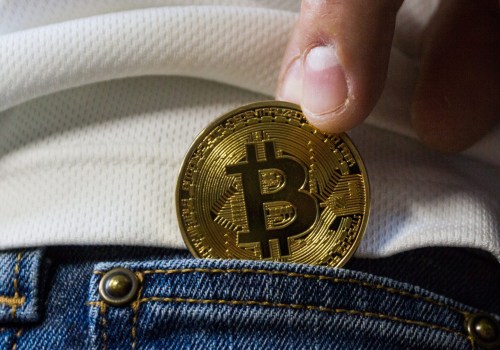
The cryptocurrency market is currently experiencing a significant surge, capturing the attention of both seasoned investors and newcomers alike. As we delve into the intricacies of this dynamic landscape, it becomes evident that various factors are converging to drive the prices of cryptocurrencies, particularly Bitcoin, to new heights. The overall sentiment among investors is one of cautious optimism, as many are beginning to recognize the potential of digital assets not just as speculative investments but as viable alternatives to traditional financial systems. This shift is crucial for Understanding the Impact of Cryptocurrency on Industries. Recent trends in the The cryptocurrency market is currently experiencing a significant surge, capturing the attention of both seasoned investors and newcomers alike. As we delve into the intricacies of this dynamic landscape, it becomes evident that various factors are converging to drive the prices of cryptocurrencies, particularly Bitcoin, to new heights. The overall sentiment among investors is one of cautious optimism, as many are beginning to recognize the potential of digital assets not just as speculative investments but as viable alternatives to traditional financial systems. This shift is crucial for Understanding the Impact of Cryptocurrency on Industries. Recent trends in the cryptocurrency exchange sector have played a pivotal role in shaping market dynamics.
With an increasing number of platforms facilitating the buying and selling of cryptocurrencies, accessibility has never been better. This influx of exchanges has not only made it easier for individuals to enter the market but has also fostered a competitive environment that encourages innovation and improved user experiences. As more people engage with these platforms, the demand for cryptocurrencies continues to rise, further propelling their prices upward. Moreover, the recent price increase of Bitcoin has sparked renewed interest in other altcoins, leading to a broader rally across the entire cryptocurrency market. Investors are now more inclined to diversify their portfolios by exploring various digital currencies, each offering unique features and potential for growth.
This diversification is crucial as it reflects a growing understanding of the cryptocurrency ecosystem and its potential to disrupt traditional financial paradigms. In summary, the current landscape of cryptocurrency is marked by rapid growth and evolving investor sentiment. As we explore the factors driving this remarkable rise in value, it is essential to consider how market trends, technological advancements in cryptocurrency exchanges , and shifting perceptions about digital assets are all contributing to this transformative moment in finance.
Economic Factors Influencing Cryptocurrency Prices
The recent surge in cryptocurrency prices can be largely attributed to various economic factors, particularly inflation and monetary policy. As traditional fiat currencies face devaluation, many investors are increasingly viewing cryptocurrencies as a viable hedge against inflation.Inflation and Its Impact on Cryptocurrency
Inflation occurs when the general price level of goods and services rises, eroding purchasing power. In recent years, central banks, particularly the US Federal Reserve, have engaged in expansive monetary policies, including quantitative easing and low-interest rates.
These measures have led to an influx of money into the economy, which can result in inflationary pressures.
As inflation rises, the value of traditional currencies tends to decline. This has prompted investors to seek alternative assets that can preserve value over time. Cryptocurrencies, especially Bitcoin, are often seen as a digital form of gold—an asset that is scarce and not subject to the same inflationary pressures as fiat currencies. With a capped supply of 21 million Bitcoins, many investors believe that Bitcoin can serve as a store of value during times of economic uncertainty.
Monetary Policy Effects on Bitcoin
The decisions made by central banks regarding interest rates and money supply have profound effects on investor behavior.
When interest rates are low, the opportunity cost of holding non-yielding assets like Bitcoin decreases. This encourages more individuals to invest in cryptocurrencies rather than keeping their money in traditional savings accounts that offer minimal returns.
Moreover, as central banks signal their intent to maintain accommodative monetary policies, the appeal of cryptocurrencies grows. Investors are increasingly concerned about potential currency devaluation and are turning to digital assets as a safeguard against economic instability.
Economic Policies and Cryptocurrency Adoption
In addition to inflation and monetary policy, broader economic policies also play a crucial role in shaping the cryptocurrency landscape. Regulatory frameworks that support cryptocurrency adoption can enhance investor confidence.
For instance, countries that embrace blockchain technology and create favorable regulations tend to see increased participation in cryptocurrency markets. Conversely, restrictive regulations can stifle growth and deter investment. Therefore, understanding the interplay between economic policies and cryptocurrency is essential for investors looking to navigate this dynamic market. In summary, the rise in cryptocurrency prices is closely linked to economic factors such as inflation and monetary policy. As traditional financial systems face challenges, cryptocurrencies are increasingly viewed as a safe haven for preserving wealth.
The Role of Cryptocurrency Exchanges in Price Dynamics
Cryptocurrency exchanges serve as the backbone of the digital currency ecosystem, playing a pivotal role in determining the price dynamics of various cryptocurrencies, including Bitcoin. These platforms facilitate the buying, selling, and trading of cryptocurrencies, and their influence on market prices cannot be overstated. One of the primary factors that exchanges impact is trading volume.High trading volumes typically indicate strong market interest and can lead to increased price stability. Conversely, low trading volumes may result in higher volatility, as even small trades can significantly affect prices. For instance, when a major exchange experiences a surge in trading activity, it often correlates with price increases due to heightened demand. Moreover, the liquidity provided by exchanges is crucial for price dynamics. Liquidity refers to how easily an asset can be bought or sold without causing a drastic change in its price.
Exchanges with higher liquidity allow for larger transactions to occur without significant price fluctuations. This is particularly important for institutional investors who may wish to enter or exit positions without impacting the market adversely. Different exchanges can also exhibit varying prices for the same cryptocurrency due to factors such as regional demand, user base, and trading fees. For example, if a particular exchange has a large number of users in a region experiencing economic instability, the demand for cryptocurrencies on that platform may drive prices higher compared to other exchanges. This phenomenon highlights the importance of understanding how exchange platforms can create discrepancies in pricing across the market. Furthermore, news and events surrounding specific exchanges can lead to significant price movements.
Announcements regarding regulatory changes, security breaches, or new partnerships can influence trader sentiment and behavior on these platforms. For instance, if a well-known exchange announces that it will list a new cryptocurrency, this can lead to increased interest and trading activity, subsequently driving up the price. In summary, cryptocurrency exchanges are not just venues for trading; they are integral to understanding market dynamics. By analyzing trading volume, liquidity levels, and the unique characteristics of different platforms, investors can gain valuable insights into potential price movements and make more informed decisions in their cryptocurrency investments.
Adoption of Cryptocurrency as a Payment Method
The adoption of cryptocurrency as a payment method has gained significant momentum in recent years, transforming the way businesses and consumers interact with digital assets. This shift is not merely a trend; it represents a fundamental change in the financial landscape, driven by technological advancements and changing consumer preferences. One of the most notable developments in this space is PayPal's integration of cryptocurrencies.In late 2020, PayPal announced that it would allow its users to buy, sell, and hold Bitcoin, Ethereum, Litecoin, and Bitcoin Cash directly within its platform. This move opened the door for nearly 350 million users to engage with cryptocurrencies seamlessly. Merchants can also accept these digital currencies as payment, which significantly broadens the scope of cryptocurrency usage in everyday transactions. As more businesses begin to accept cryptocurrencies, the demand for these digital assets continues to rise. Companies like Starbucks , AT&T , and Overstock have already embraced this new payment method, allowing customers to pay with Bitcoin and other cryptocurrencies.
This growing acceptance not only legitimizes cryptocurrencies but also encourages more consumers to invest in them. The benefits of accepting cryptocurrency payments are numerous. For businesses, it can lead to lower transaction fees compared to traditional credit card processing. Additionally, cryptocurrency transactions can be processed quickly and securely, reducing the risk of chargebacks that often plague credit card transactions. Furthermore, accepting cryptocurrencies can attract a tech-savvy customer base that values innovation and flexibility. Moreover, the increasing adoption of cryptocurrency as a payment method is also fueled by the rise of decentralized finance (DeFi) platforms.
These platforms offer various financial services without traditional intermediaries, making it easier for users to transact using cryptocurrencies. As DeFi continues to grow, it further solidifies the role of cryptocurrencies in everyday financial activities. In conclusion, the integration of cryptocurrencies into mainstream payment systems like PayPal is a significant catalyst for their adoption. As more businesses recognize the advantages of accepting digital currencies, we can expect an upward trend in both demand and value for cryptocurrencies. This evolution not only enhances consumer choice but also positions cryptocurrencies as a viable alternative to traditional fiat currencies.
Investor Sentiment and Market Psychology
Investor sentiment plays a crucial role in the cryptocurrency market, often driving prices to new heights or causing significant downturns.The emotional and psychological factors that influence investors can lead to rapid price fluctuations, making it essential to understand how these elements interact within the crypto ecosystem. One of the most significant psychological phenomena affecting cryptocurrency prices is FOMO , or the fear of missing out. As prices begin to rise, more investors become eager to join the trend, fearing they will miss out on potential profits. This behavior can create a self-fulfilling prophecy; as more people buy in, prices continue to climb, further fueling FOMO among those who have yet to invest. Social media platforms amplify this effect, as news of price surges spreads quickly, leading to a rush of new investors entering the market. Additionally, social media has transformed how information is disseminated and perceived in the cryptocurrency space.
Platforms like Twitter, Reddit, and Telegram serve as hubs for discussions about market trends and investment strategies. Influencers and thought leaders can sway public opinion with a single tweet or post, often leading to dramatic shifts in investor sentiment. For instance, when a prominent figure endorses a particular cryptocurrency or shares bullish predictions, it can trigger a wave of buying activity. Moreover, the psychological impact of community sentiment cannot be underestimated. Many investors find comfort in numbers; when they see others investing in a particular asset, they are more likely to follow suit.
This herd mentality can lead to irrational decision-making, where individuals invest based on emotions rather than sound analysis. The result is often increased volatility in the market. Understanding these psychological factors is vital for anyone looking to navigate the cryptocurrency landscape effectively. Investors should strive to remain informed and grounded in their decision-making processes, rather than succumbing to the emotional highs and lows that can accompany market movements. By recognizing the influence of investor sentiment and market psychology, individuals can better position themselves for success in this dynamic environment.
Technological Developments Impacting Cryptocurrency Value
The landscape of cryptocurrency is continually evolving, driven by significant technological advancements that enhance the functionality, security, and scalability of digital currencies.These innovations are not only improving user experience but also playing a crucial role in driving up the value of cryptocurrencies. One of the most notable advancements is in blockchain technology. As the backbone of cryptocurrencies, blockchain has seen numerous improvements aimed at increasing transaction speed and reducing costs. For instance, the introduction of layer 2 solutions, such as the Lightning Network for Bitcoin, allows for faster transactions by processing them off the main blockchain. This not only alleviates congestion but also significantly lowers transaction fees, making Bitcoin more appealing for everyday transactions. Moreover, advancements in smart contract technology have expanded the utility of cryptocurrencies beyond mere transactions.
Platforms like Ethereum have pioneered this space, enabling developers to create decentralized applications (dApps) that can automate complex processes without intermediaries. This innovation has led to a surge in decentralized finance (DeFi) projects, which are attracting substantial investments and driving up the overall market value of cryptocurrencies. Security enhancements are another critical area where technology is making a difference. The rise of multi-signature wallets and hardware wallets has provided users with more secure ways to store their digital assets. These technologies require multiple keys to authorize a transaction, significantly reducing the risk of theft or loss.
As security concerns are often a barrier to entry for new investors, these advancements help build trust in the cryptocurrency ecosystem. Scalability remains a pressing issue for many cryptocurrencies. Innovations such as sharding , which divides the blockchain into smaller, more manageable pieces, are being explored to improve transaction throughput. By allowing multiple transactions to be processed simultaneously, sharding can potentially support a higher volume of users without compromising speed or efficiency. In conclusion, the ongoing technological developments within the cryptocurrency space are pivotal in shaping its future. By enhancing blockchain capabilities, improving security measures, and addressing scalability challenges, these innovations not only bolster investor confidence but also contribute significantly to the rising value of cryptocurrencies in today’s market.
Regulatory Environment and Its Effects on Cryptocurrency Prices
The regulatory environment surrounding cryptocurrency plays a crucial role in shaping market dynamics and influencing prices.As governments around the world grapple with how to approach this rapidly evolving asset class, the implications of their decisions can either bolster or undermine investor confidence. On one hand, positive regulations can create a more stable and secure environment for investors. For instance, when a government establishes clear guidelines for the operation of cryptocurrency exchanges, it can lead to increased participation from institutional investors. These regulations often include measures to prevent fraud, ensure consumer protection, and promote transparency. Such frameworks can enhance trust in the market, encouraging more individuals and businesses to engage with cryptocurrencies. Countries like Switzerland and Singapore have set examples by implementing favorable regulations that support innovation while ensuring compliance with financial laws.
In these regions, the legal framework for cryptocurrencies is designed to foster growth, which has resulted in a thriving ecosystem of blockchain startups and cryptocurrency exchanges. This positive regulatory stance has contributed to rising prices as demand increases. Conversely, negative regulations can stifle market growth and lead to price declines. For example, when countries impose strict bans on cryptocurrency trading or heavily regulate cryptocurrency exchanges, it can create uncertainty among investors. The announcement of such measures often leads to panic selling, resulting in sharp price drops.
A notable instance occurred in 2017 when China announced a crackdown on initial coin offerings (ICOs) and cryptocurrency exchanges, causing a significant downturn in the market. Moreover, the regulatory landscape is not static; it evolves as governments respond to market developments. For instance, recent discussions in the United States regarding potential regulations for stablecoins and decentralized finance (DeFi) platforms have sparked debates about how these changes could impact the broader cryptocurrency market. Investors are closely monitoring these developments, as they could either pave the way for greater acceptance or introduce new hurdles. In summary, the interplay between government policies and cryptocurrency prices is complex and multifaceted. While supportive regulations can drive growth and increase prices, restrictive measures can have the opposite effect.
As such, staying informed about regulatory changes is essential for anyone looking to navigate the cryptocurrency landscape effectively.
The Future Outlook for Cryptocurrency Prices
As we look ahead to the future of cryptocurrency prices, several key factors are poised to influence market trends and investor sentiment. Understanding these elements can provide valuable insights into potential price movements for Bitcoin and other cryptocurrencies.1.Institutional Adoption
One of the most significant drivers of future cryptocurrency prices is the increasing interest from institutional investors. Major financial institutions and corporations are beginning to allocate portions of their portfolios to cryptocurrencies, viewing them as a hedge against inflation and a means of diversification. This trend is likely to continue, as more companies recognize the potential benefits of integrating digital assets into their financial strategies.
2.Regulatory Developments
The regulatory landscape surrounding cryptocurrencies is evolving rapidly.
Governments around the world are working to establish frameworks that can provide clarity and security for investors. While some regulations may initially create uncertainty, a well-defined regulatory environment could ultimately foster greater confidence in the market, leading to increased investment and higher prices.
3.Technological Advancements
Technological innovations within the blockchain space are also expected to play a crucial role in shaping the future of cryptocurrency prices. Improvements in scalability, security, and transaction speed can enhance user experience and drive adoption. For instance, advancements in layer-2 solutions like the Lightning Network for Bitcoin could facilitate faster transactions, making cryptocurrencies more practical for everyday use.
4.Market Sentiment and Speculation
Market sentiment remains a powerful force in the cryptocurrency space.
Social media trends, news coverage, and influential figures can sway public perception and lead to rapid price fluctuations. As more retail investors enter the market, driven by speculation or fear of missing out (FOMO), we may see increased volatility in cryptocurrency prices.
5.Global Economic Factors
The broader economic environment will also impact cryptocurrency valuations. Factors such as inflation rates, interest rates, and geopolitical tensions can influence investor behavior. For example, if inflation continues to rise, more individuals may turn to cryptocurrencies as a store of value, potentially driving prices higher.
In conclusion, while predicting exact future prices for cryptocurrencies like Bitcoin is inherently challenging due to their volatile nature, understanding these key factors can help investors make informed decisions.
By keeping an eye on institutional adoption, regulatory changes, technological advancements, market sentiment, and global economic conditions, one can better navigate the complexities of the crypto market and anticipate potential price movements.
Conclusion: Key Takeaways on Cryptocurrency Price Increases
As we conclude our exploration of the factors driving the recent surge in cryptocurrency prices, it is essential to distill the key takeaways that can guide both seasoned investors and newcomers alike. The landscape of cryptocurrency is dynamic and multifaceted, influenced by a variety of economic, technological, and social factors. Firstly, inflation concerns have emerged as a significant catalyst for the rising value of cryptocurrencies. With central banks, particularly the US Federal Reserve, engaging in extensive monetary easing, many investors are seeking refuge in assets that can potentially preserve their purchasing power. Cryptocurrencies, especially Bitcoin, are increasingly viewed as a hedge against inflation due to their limited supply and decentralized nature. Secondly, the growing acceptance of cryptocurrencies as a legitimate payment method cannot be overlooked.Major financial platforms like PayPal and Square have integrated cryptocurrency transactions into their services, providing millions of users with easy access to buy, sell, and use digital currencies. This mainstream adoption not only enhances liquidity but also fosters greater trust among potential investors. Moreover, the narrative surrounding cryptocurrencies as a store of value has gained traction. In uncertain economic climates, assets perceived as scarce or stable become more attractive. Bitcoin's capped supply of 21 million coins reinforces this perception, making it a compelling option for those looking to safeguard their wealth. Additionally, the concept of halving , which occurs approximately every four years, plays a crucial role in Bitcoin's price dynamics.
By reducing the rate at which new Bitcoins are created, halving events contribute to scarcity and can lead to increased demand from investors anticipating future price increases. Lastly, it is vital for investors to remain vigilant regarding regulatory developments that could impact the cryptocurrency market. As governments around the world grapple with how to regulate digital currencies, changes in policy could either bolster or hinder market growth. In summary, understanding these key factors—inflation hedging, mainstream adoption, scarcity narratives, halving events, and regulatory landscapes—can empower investors to make informed decisions in the ever-evolving world of cryptocurrency. As this market continues to mature, staying abreast of these elements will be crucial for navigating potential opportunities and risks.